

Voters in Brazil cast ballots in a decisive runoff election pitting incumbent President Luiz Inácio Lula da Silva against right-wing Senator Flavio Bolsonaro.
What to Know
- A potential Bolsonaro victory would likely align Brazil closer with President Donald Trump’s US policy, contrasting with prior clashes under Lula over trade and security.
- The campaign featured accusations of US interference which the government denies, while Lula mobilized a WhatsApp channel called “Lula’s Army” with 8.5 million subscribers.
- Flavio Bolsonaro led the first round with 47% of votes against Lula’s 45%, creating a scenario where a win could shift Latin America’s largest nation sharply rightward.
The October 2026 Runoff: Lula and Bolsonaro Jr. Face Off in a Decisive Brazilian Election
Brazilians cast ballots on Sunday, October 25, 2026, in a tight presidential runoff between incumbent President Luiz Inácio Lula da Silva and right-wing Senator Flavio Bolsonaro. The election pits the leftist leader against the son of convicted former President Jair Bolsonaro, creating a contest that could shift Latin America’s largest nation sharply to the right. Polls conducted prior to voting showed the candidates practically tied, with the outcome remaining uncertain as voters weighed economic concerns, crime rates, and foreign relations.
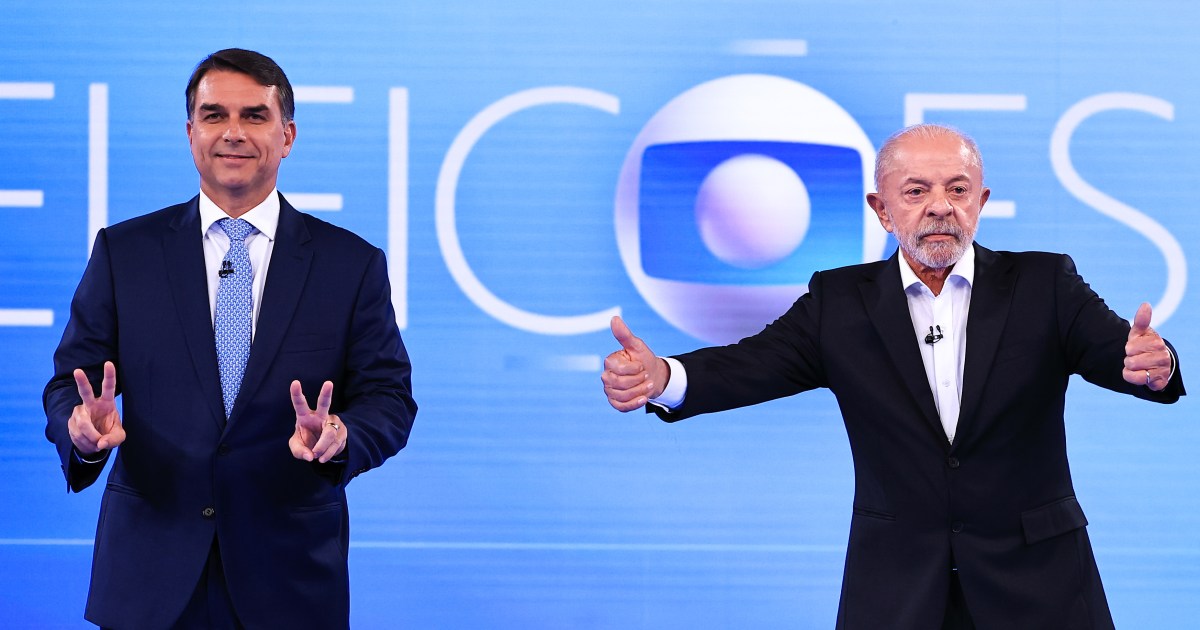
Voting operations commenced across Brazil’s 26 states and Federal District on election day, marking the culmination of a combative three-week campaign that turned the political atmosphere electric. Senator Flavio Bolsonaro, who scored an upset in the first round by leading with 47 percent of the vote against Lula’s 45 percent, urged supporters to turn out “come rain or shine” from Rio de Janeiro. Meanwhile, President Lula cast his ballot in Sao Bernardo do Campo near Sao Paulo and thanked his backers for their support during the final days of the race. (Voting under way across Brazil in tight presidential run-off between Lula and Flavio Bolsonaro)
The stakes of this election extend beyond domestic policy, with potential implications for Brazil’s relationship with the United States under President Donald Trump. A victory for Bolsonaro would align the country more closely with a wave of right-wing victories across Latin America that favor US interests, while a fourth mandate for Lula represents a divergence from Washington’s preferences. The race has been dominated by accusations of US meddling regarding trade and security, though the State Department denies any campaign to influence the outcome.
Voting begins across Brazil’s 26 states and Federal District
Ballots were distributed and counted across all regions of Brazil on Sunday as citizens participated in the runoff that determines the nation’s leadership for the next four years. The election day activity followed a period where Lula’s campaign mobilized significant resources, including a WhatsApp channel dubbed “Lula’s Army” with 8.5 million subscribers, to secure a comeback after trailing in early polls.
The stakes: A choice between two distinct political trajectories
The outcome of the October 2026 vote will determine whether Brazil continues under Lula’s leadership or shifts toward the policies advocated by Flavio Bolsonaro and his father’s legacy. Voters are grappling with high living costs, heavy household debt, and endemic gang violence while deciding between Lula’s record on inequality and unemployment versus Bolsonaro’s promises of a heavy-handed approach to crime and pro-business reforms.
The political landscape was further complicated by international pressures, specifically the trade war initiated by President Donald Trump. In 2025, following the conviction of former President Jair Bolsonaro for plotting a 2022 coup, Washington imposed a 50 percent tariff on Brazilian exports, explicitly linking the punitive measure to the trial outcome. Although these levies were subsequently watered down, new tariffs were reintroduced this year citing unfair trade practices, a move Lula characterized as bullying and an attempt by the Trump administration to sway the election through economic coercion.
On the domestic front, the campaign highlighted stark contrasts in policy approaches to security and economics. While Lula’s administration had achieved falling inequality and unemployment rates, voters remained deeply concerned about high living costs and heavy household debt. Conversely, Senator Flavio Bolsonaro capitalized on these anxieties by promising a heavy-handed crackdown on crime, including the construction of maximum-security jails and chemical castration for serious sexual offenses, aiming to appeal to retirees and those dissatisfied with the Workers’ Party’s four-decade legacy.
Despite Lula closing the gap in the final days through massive mobilization efforts like his ‘Lula’s Army’ WhatsApp channel, historical precedent heavily favored the challenger. No candidate in Brazilian history has ever won the presidency after finishing second in the first round of voting; yet, Flavio Bolsonaro had secured 47 percent of the ballots compared to Lula’s 45 percent in the initial round. This early lead sent Brazil’s markets and currency soaring on expectations of pro-business reforms, while his Liberal Party also performed strongly in concurrent congressional elections.
Voter sentiment was deeply polarized, with many casting their ballots as a referendum on the past rather than a simple choice between two candidates. In Rio de Janeiro, some supporters voted for Bolsonaro not out of enthusiasm for his platform but as a rejection of Lula’s Workers’ Party after forty years in power. Meanwhile, others viewed a vote for Lula as a necessary stand against rising fascism and US interference, framing the election as a defense of national sovereignty against external pressure.
First Round Results Set the Stage for a Historic Second Ballot
Brazilian voters cast ballots in a first round on October 4 that produced a narrow margin between the two leading candidates, necessitating a runoff. Senator Flavio Bolsonaro secured 47 percent of the vote, while incumbent President Luiz Inacio Lula da Silva trailed with 45 percent. Because neither candidate achieved an absolute majority during the initial count, the election proceeded to this decisive second ballot.

The statistical outcome presents a distinct historical anomaly for the runner-up in Brazilian presidential history. No candidate has ever won the presidency after finishing second in the first round of voting. This precedent suggests that despite leading the field initially, Flavio Bolsonaro faces a significant hurdle in converting his first-round advantage into a final victory.
The tight margin between the two candidates reflects an electorate deeply divided on key issues including economic anxiety and public security. While Lula has worked to close the gap through mobilization efforts such as “Lula’s Army,” the initial results established a competitive dynamic where Flavio Bolsonaro led in the first round, leaving the outcome uncertain until votes are counted in the runoff.
The runoff campaign intensified as Flavio Bolsonaro leveraged his first-round momentum to frame the election as a choice between economic stability and political continuity, capitalizing on voter concerns over high living costs and household debt despite falling inequality metrics. His strategy included promises of maximum-security prisons and chemical castration for serious sexual offenders, directly addressing endemic gang violence that has long weighed on the electorate’s psyche. Conversely, Lula’s campaign mobilized a massive grassroots effort through “Lula’s Army,” a WhatsApp channel with 8.5 million subscribers designed to energize his base and close the narrow gap in the final weeks of the contest.
The international dimension of the election added significant pressure, with the Trump administration’s stance influencing voter perceptions; Washington had previously imposed a 50 percent tariff on Brazil in 2025 explicitly linked to Jair Bolsonaro’s trial for plotting a 2022 coup, though these measures were later watered down before new levies were introduced citing unfair trade practices. Lula characterized the Trump administration’s proximity to the Bolsonaro family as an attempt to sway the election through bullying tactics, while Flavio positioned himself as a candidate who would restore favorable relations with the United States and extend a wave of right-wing victories across Latin America. This geopolitical tension was underscored by reports of a campaign within the State Department aimed at supporting the Bolsonaros, which Lula’s supporters viewed as foreign interference despite Washington’s denials. (Brazil votes in tight presidential runoff between Lula and Bolsonaro)
Market reactions to Flavio Bolsonaro’s first-round victory signaled investor confidence in his pro-business platform, with Brazil’s currency and stock markets surging on expectations of economic reforms. The senator’s success was mirrored in congressional elections for the Liberal Party and other right-wing politicians, potentially securing a legislative path that could facilitate governance or complicate Lula’s ability to pass measures if he were to win. As voters cast their ballots in Rio de Janeiro and Sao Paulo under the slogan “come rain or shine,” the election remained a pivotal moment for Latin America, with the outcome determining whether the region would shift sharply rightward toward US-friendly policies or maintain its current trajectory under Lula’s fourth mandate.
Economic Anxiety and Social Grievances Drive Voter Sentiment
Voters in Brazil are navigating a complex economic landscape where macroeconomic indicators of progress coexist with acute household pressures. While data indicates that inequality and unemployment have fallen, the electorate remains deeply concerned about high living costs and heavy household debt.

Household Debt as the Primary Driver of Voter Anxiety
Lula’s administration has faced challenges in translating broader economic improvements into relief for voters grappling with daily expenses. Despite the recorded declines in inequality and joblessness, many citizens continue to prioritize immediate financial stability over long-term trends.
Lula’s Economic Legacy: Progress on Inequality vs. Daily Costs
The runoff has highlighted a divergence between national statistics and individual economic experiences. Voters are weighing Lula’s record against persistent anxieties regarding inflation and debt burdens that have not been alleviated by falling unemployment rates.
The disconnect between macroeconomic recovery and household sentiment is particularly acute regarding the cost of living, where inflationary pressures have eroded purchasing power despite falling unemployment rates. Voters like Jose Carlos Jarra, a 61-year-old retiree in Sao Paulo, explicitly cited Brazil’s minimum wage as “a disgrace,” reflecting a broader perception that economic gains at the national level have not translated into tangible relief for daily expenses. This sentiment has driven significant support for Flavio Bolsonaro, who capitalized on these anxieties by promising a heavy-handed approach to public security and crime, including maximum-security jails and chemical castration for sexual offenses.
The electoral dynamics were further complicated by the intersection of domestic economic grievances with international trade tensions involving the Trump administration. Following Jair Bolsonaro’s 2025 conviction for plotting a 2022 coup, Donald Trump labeled the case a “witch hunt” and imposed a 50 percent tariff on Brazil in 2025, explicitly linked to the trial. Although these levies were later watered down, new punitive measures were unleashed citing unfair trade practices, which Lula’s campaign framed as bullying and an attempt by Washington to sway the election through proximity to the Bolsonaro clan. This external pressure has intensified the economic narrative, with voters weighing Lula’s record against perceived threats from US trade policy.
The first-round results underscored the volatility of this electorate, where Flavio Bolsonaro secured 47 percent of ballots compared to Lula’s 45 percent, defying early pollsters and sending Brazil’s markets and currency soaring on expectations of pro-business reforms. This initial surge for the right-wing candidate was mirrored in congressional elections for his Liberal Party and other right-wing politicians, creating a legislative landscape that could either facilitate governance under Bolsonaro or complicate it for Lula should he win. Despite historical precedent favoring candidates who finish first, with no president ever winning after coming second in the first round, polls showed the candidates practically tied going into the runoff as Lula closed the gap in the final days. (Brazil votes in pivotal runoff between Lula and Bolsonaro Jr.)
Voter motivations were deeply rooted in a desire for change and a reaction to long-standing political fatigue. In Rio de Janeiro, 75-year-old retiree Alba Marques cast her vote for Bolsonaro not out of support for him personally, but as a rejection of Lula’s Workers’ Party after “40 years” of unfulfilled promises. Conversely, supporters like Elenildes dos Reis, a 60-year-old lawyer in Sao Paulo, viewed a victory for Lula as a stand against rising fascism and US interference, declaring that the outcome would be a global victory rather than just Brazil’s. These divergent perspectives highlight how economic anxiety, combined with concerns over crime and foreign relations, has driven a deeply polarized electorate to weigh immediate financial stability against long-term political trends.
The economic anxiety driving this election is further compounded by the specific impact of US trade policy on Brazilian industries. Following Jair Bolsonaro’s 2025 conviction for plotting a 2022 coup, Donald Trump imposed a 50 percent tariff on Brazil in 2025, explicitly linked to the trial.
Security Policies and Legal Reforms Define the Policy Divide
The runoff election highlights distinct approaches to public safety, with Senator Flavio Bolsonaro centering his campaign on punitive measures designed to address endemic gang violence. His platform explicitly includes the establishment of maximum-security jails for serious offenders and the implementation of chemical castration as a penalty for those convicted of sexual offenses.
Bolsonaro has sought to capitalize on voter anxiety regarding high living costs and public security by promising these hardline stances, arguing that current methods are insufficient to curb crime rates. This contrasts with the approach taken by incumbent President Luiz Inacio Lula da Silva, who faces an electorate grappling with heavy household debt and economic uncertainty while addressing similar safety concerns.
The debate over these legal reforms occurs against a backdrop of corruption scandals and accusations regarding foreign interference, which Washington denies. While Bolsonaro’s proposals aim to signal a shift toward stricter law enforcement, the election remains closely contested as voters weigh these security promises alongside economic realities.
Flavio Bolsonaro’s platform explicitly details the establishment of maximum-security facilities designed to isolate serious offenders from the general prison population, alongside the controversial proposal of chemical castration as a mandatory penalty for individuals convicted of sexual offenses. These measures are framed by his campaign as necessary responses to endemic gang violence and rising crime rates that have plagued Brazilian communities, aiming to signal a decisive shift toward stricter law enforcement compared to the incumbent administration’s approach.
The election context is further complicated by the fallout from former President Jair Bolsonaro’s 2025 conviction for plotting a 2022 coup, with Flavio pledging to secure his father’s release if elected. This familial connection has intensified the political stakes, as US President Donald Trump has characterized the trial as a “witch hunt” and previously imposed tariffs on Brazil in 2025 explicitly linked to the case, though these levies were later watered down before new trade measures were introduced this year. While Washington denies accusations of interference, Lula’s campaign has framed the Trump administration’s proximity to the Bolsonaro clan as an attempt to sway the outcome through economic pressure.
Voter sentiment reflects a deep divide between those seeking punitive security reforms and those concerned with economic stability; despite falling inequality and unemployment under Lula, the electorate continues to grapple with high living costs and heavy household debt. In the first round of voting, Flavio Bolsonaro secured 47 percent of ballots cast, defying pollsters to lead the count, while Lula trailed with 45 percent. Historical precedent suggests a disadvantage for Lula, as no candidate has ever won the presidency after finishing second in the initial round, yet polls indicate the candidates are practically tied heading into the runoff.
The senator’s first-round success triggered immediate positive reactions in Brazil’s financial markets and currency, driven by expectations of pro-business reforms. This momentum was mirrored in congressional elections for his Liberal Party and other right-wing politicians, potentially paving a legislative path for governance or complicating the administration for Lula should he win. As voters cast their ballots, figures like Jose Carlos Jarra expressed hope that Bolsonaro would tackle public security issues and improve conditions for retirees, while others viewed their vote as a rejection of the Workers’ Party rather than an endorsement of the candidate himself.
This familial connection has intensified the political stakes, as US President Donald Trump has characterized the trial as a “witch hunt” and previously imposed a 50 percent tariff on Brazil in 2025 explicitly linked to the case, though these levies were later watered down before new trade measures were introduced this year.
The Shadow of Jair Bolsonaro and US-Brazil Relations
Jair Bolsonaro, a former president of Brazil, was convicted in 2025 for plotting a coup d’état in 2022. This legal milestone remains central to the current runoff between his son, Senator Flavio Bolsonaro, and incumbent President Luiz Inácio Lula da Silva. Flavio Bolsonaro has explicitly pledged to free his father if he wins the election.
The United States government under President Donald Trump characterized Jair Bolsonaro’s 2025 conviction as a “witch hunt.” In response to the trial, the Trump administration imposed a 50 percent tariff on Brazil in 2025. This trade measure was explicitly linked to the legal proceedings against the former president.
Although many of those initial tariffs were later watered down, the Trump administration introduced new levies against Brazil this year citing unfair trade practices. President Lula has described the proximity of the Trump administration to the Bolsonaro clan as an attempt to sway the election outcome. He further labeled the tariffs and other punitive measures as acts of bullying.
The 2025 coup plot conviction: A legal milestone for Brazil
Jair Bolsonaro’s conviction for plotting a 2022 coup established a legal record that shapes the current political climate. This event distinguishes the current political climate from earlier periods, as Flavio Bolsonaro campaigns on overturning his father’s specific conviction.
Trump’s tariff response and the ‘witch hunt’ narrative
The Trump administration’s labeling of the trial as a “witch hunt” preceded the imposition of tariffs in 2025. These economic measures were directly tied to the trial, creating a diplomatic friction that Lula attributes to US interference.
The 2025 conviction of Jair Bolsonaro established a definitive legal record regarding the 2022 coup attempt, creating a unique political dynamic where Senator Flavio Bolsonaro campaigns explicitly on overturning this specific judicial outcome. This conviction distinguishes the current electoral climate from previous Brazilian elections, as the son’s platform centers on freeing his father, a pledge that has become a central pillar of the right-wing campaign strategy.
Economic tensions escalated when the Trump administration imposed tariffs on Brazil in 2025 explicitly linked to the trial proceedings against the former president. Although many of these initial levies were subsequently watered down following diplomatic negotiations, the administration reintroduced new punitive measures this year citing unfair trade practices. President Lula has characterized the Trump administration’s close proximity to the Bolsonaro clan as a deliberate attempt to influence the election outcome, describing the tariffs and other sanctions as acts of bullying rather than standard trade policy.
The intersection of these legal and economic factors has intensified voter concerns regarding US interference, with Washington denying accusations of meddling while maintaining a stance that favors candidates friendly to President Trump. The runoff pits leftist President Luiz Inácio Lula da Silva against right-wing Senator Flavio Bolsonaro, with the election serving as a potential turning point for Latin America’s conservative shift. Historical precedent suggests an advantage for the candidate who finished second in the first round, yet polls indicate the race remains neck and neck, with the outcome potentially reshaping trade relations and security cooperation between Brazil and the United States.
Reuters reported on Saturday that a campaign within the Trump State Department was actively working to restore the Bolsonaros to power, highlighting the depth of Washington’s engagement in the electoral outcome. This alleged internal effort underscores President Lula’s accusations of interference, as he frames the election not merely as a domestic contest but as a struggle against external pressure from a US administration aligned with his opponents.
While polls indicate the candidates are practically tied going into the runoff, historical precedent favors Senator Flavio Bolsonaro, as no candidate has ever won the Brazilian presidency after finishing second in the first round. Despite this statistical hurdle, Flavio Bolsonaro secured 47 percent of ballots cast initially compared to Lula’s 45 percent in the first round.