

Clocks fall back on Sunday, Nov. 1, 2026. The Sunshine Protection Act remains stalled in the Senate despite Trump’s support.
What to Know
- Clocks will fall back one hour at 2 a.m. local time on Sunday, Nov. 1, 2026, returning the nation to standard time.
- The Sunshine Protection Act remains stalled in the Senate despite President Trump’s urging and House passage, leaving federal law unchanged.
- Legislative gridlock persists as lawmakers cite safety concerns over late winter sunrises even though polls show majority support for ending clock changes.
The November 1 Clock Shift and the Legislative Deadlock
Daylight Saving Time ends at 2 a.m. local time on Sunday, Nov. 1, 2026, when clocks across most of the country will move back one hour from 2 a.m. to 1 a.m. This transition marks the return to standard time under current federal law, which dictates that daylight saving time begins on the second Sunday in March and ends on the first Sunday in November. The shift results in an extra hour of sleep for residents and brings earlier sunsets as winter approaches, though it also signals the arrival of shorter days and cooler temperatures. (Is it time to turn back clocks? When Daylight Saving Time ends)
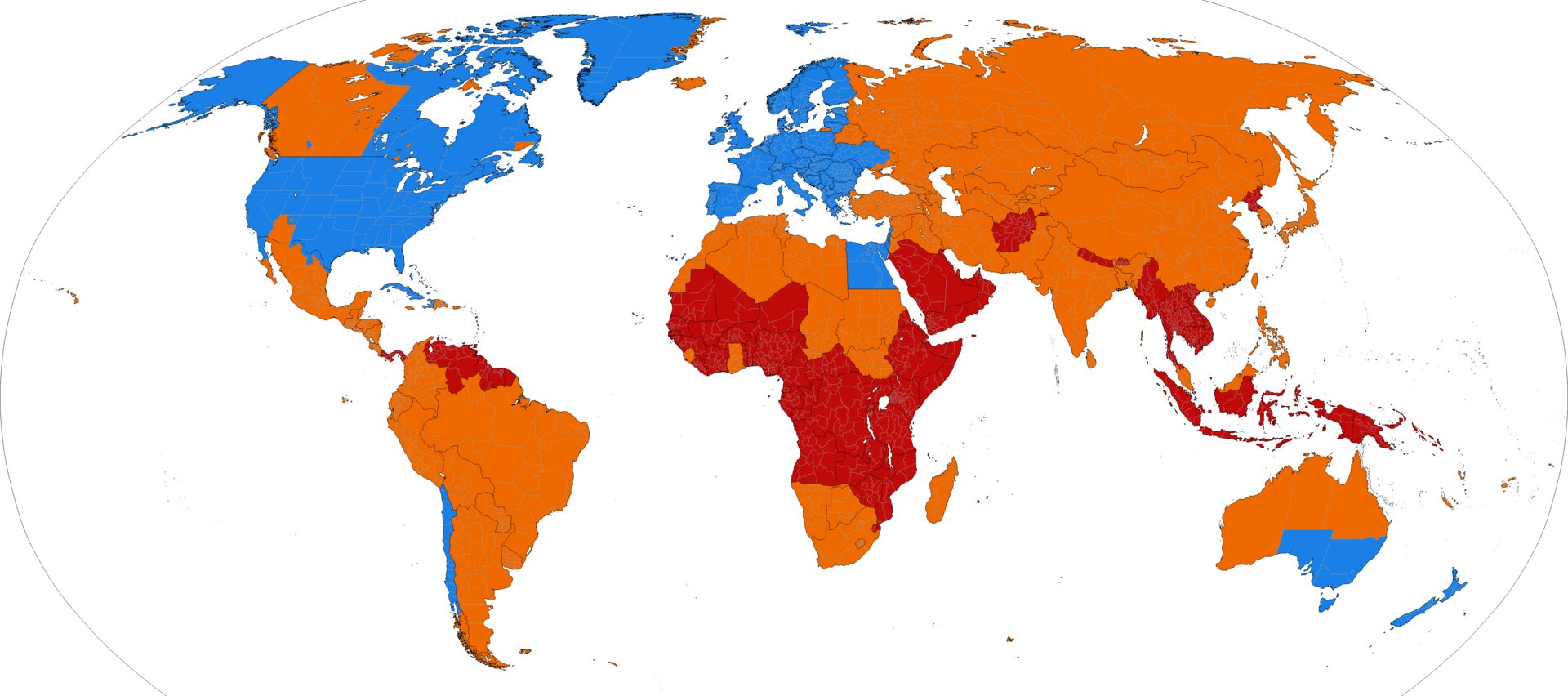
Despite President Donald Trump’s repeated calls to end the twice-yearly clock changes and keep the nation on daylight saving time year-round, Congress has not yet passed legislation to make Daylight Saving Time permanent or eliminate the practice. The Sunshine Protection Act, which would have achieved this goal by eliminating the need for clocks to move back in November, passed the House of Representatives in July with a 301-117 vote but stalled in the Senate before lawmakers left Washington. Consequently, federal law remains unchanged, and the existing system requiring Americans to adjust their clocks twice annually continues to operate without modification. (Do clocks fall back this weekend? When daylight saving ends in 2026)
While public support for ending the time changes has grown, with polls indicating that majorities favor eliminating the practice, significant legislative hurdles remain. Several Republican senators have expressed skepticism about permanent daylight saving time, citing concerns over extremely late winter sunrises in northern and rural states where children might wait for school buses in darkness. These objections have prevented the measure from advancing to the president’s desk, leaving the nation to observe the scheduled fall back on Nov. 1 as the only option available under current statutes.
The Mechanics of Falling Back on November 1, 2026
The transition requires residents to manually adjust analog clocks and certain digital alarm clocks or vehicle timepieces, even though many smartphones, televisions, tablets, and computers will automatically update their settings. The event occurs in the early morning after Halloween on Nov. 1, 2026, pushing sunrise and sunset one hour earlier than they were during daylight saving time. This mechanical adjustment is a routine part of the annual cycle that persists because lawmakers have not yet enacted the changes proposed in the Sunshine Protection Act to make daylight saving time permanent.
Why the Clocks Must Move Despite Calls for Change
The necessity of moving clocks back on Nov. 1 stems directly from the fact that Congress has not yet passed legislation to make Daylight Saving Time permanent or eliminate the twice-yearly clock changes. Although President Trump and other supporters argue that changing clocks is costly, stressful, and unpopular, the legislative process remains incomplete due to unresolved concerns among Senate Republicans regarding winter safety and morning daylight availability. Until a new law is signed, the Uniform Time Act of 1966 continues to govern the schedule, ensuring that most Americans will turn their clocks back one hour on Nov. 1 as usual.
Public sentiment regarding the time change has been quantified in recent years, with a 2023 YouGov survey indicating that 62% of Americans favored ending the practice, followed by a January 2025 Gallup poll where 54% supported eliminating the biannual shifts. Despite this majority preference for discontinuing the clock changes, the public remains divided on the alternative; while some advocate for permanent daylight saving time to secure brighter evenings, others support permanent standard time for increased morning sunlight during winter months. This division was highlighted in March 2025 when Elon Musk, then leading Trump’s Department of Government Efficiency (DOGE), conducted a poll on X that garnered over 1.3 million responses, with 58% favoring later daylight and 42% preferring earlier daylight.|
The debate is further complicated by expert consensus from sleep researchers who argue that permanent standard time would be healthier than permanent daylight saving time because it aligns more closely with the body’s natural circadian rhythms. Christopher Barnes, a professor at the University of Washington’s Foster School of Business, noted that while many favor daylight saving time for the promise of evening light suitable for outdoor activities like barbecues, the health implications of shifting clocks remain a significant concern. Meanwhile, political opposition persists among Senate Republicans such as Senator Tom Cotton and Senator Roger Wicker, who cite safety risks regarding children waiting for school buses in darkness during winter mornings as a primary reason to block the Sunshine Protection Act.
The Sunshine Protection Act: House Passage and Senate Stalemate
The Sunshine Protection Act, legislation designed to establish permanent Daylight Saving Time across the United States, passed the House of Representatives in July with a vote of 301-117 but has stalled in the Senate.| This decisive outcome in the lower chamber reflected significant bipartisan support for ending the twice-yearly clock changes that currently govern the nation’s timekeeping schedule. Despite this momentum and growing public backing for the measure, lawmakers departed Washington without bringing the bill to a floor vote in the Senate.

The legislation has since stalled at the final hurdle required before it could reach President Donald Trump’s desk for signature. Congressional leaders left the capital prior to addressing the measure, leaving the existing federal time law intact and preventing any immediate legislative override of the current schedule.| Consequently, the statutory framework remains unchanged, meaning most Americans will proceed with turning their clocks back one hour on Nov. 1 as dictated by the Uniform Time Act.
While President Trump has repeatedly urged Senate Republicans to advance what he calls the “No More Changing of Clocks Act,” several key lawmakers have expressed skepticism about permanent daylight saving time. Senator Tom Cotton noted that previous experiments with year-round daylight saving time were reversed after constituents objected to extremely late winter sunrises, a concern echoed by other Republican senators regarding safety issues for children in northern and rural areas. Senate Majority Leader John Thune has similarly indicated there is “no clear path forward” for the legislation, citing these practical objections as significant obstacles.
The current political reality leaves the country without new federal law to alter the established calendar, where daylight saving time begins on the second Sunday in March and ends on the first Sunday in November. Without a successful vote in the Senate to resolve the stalemate, the annual cycle of clock changes continues for now, despite the House’s earlier approval of permanent daylight saving time.
President Trump’s advocacy for the measure intensified through his October 2 Truth Social post, where he characterized the biannual clock shifts as “ridiculous” and argued that the public overwhelmingly prefers an hour of extra evening sunlight over morning daylight. Despite this executive pressure, the legislative momentum dissipated as Congress entered its recess without bringing the bill to a Senate floor vote, leaving the Uniform Time Act’s schedule in full effect for 2026. The result is a continuation of the status quo where clocks fall back one hour at 2 a.m. local time on Sunday, Nov. 1, marking the return to standard time and providing an additional hour of sleep alongside earlier sunsets as winter approaches.
The legislative deadlock persists due to specific concerns raised by key Republican senators regarding the safety implications of permanent daylight saving time in northern latitudes. Senator Tom Cotton highlighted that previous attempts to adopt year-round daylight saving time were reversed after constituents complained about extremely late winter sunrises, a sentiment shared by others who worry about children waiting for school buses in darkness during the coldest months. Senate Majority Leader John Thune reinforced this skepticism on Oct. 5, telling Politico that there is “no clear path forward” for the legislation, while Senator Roger Wicker of Mississippi echoed similar safety objections regarding rural and northern states.
Public opinion data reveals a complex landscape where a majority supports ending the clock changes but remains divided on the specific alternative to adopt. A 2023 YouGov survey indicated that 62% of Americans favored eliminating the practice, and a January 2025 Gallup poll found 54% wanted to end it, yet preferences split between permanent daylight saving time and permanent standard time. This division was further illuminated in March 2025 when Elon Musk, then leading Trump’s Department of Government Efficiency (DOGE), conducted an X poll that garnered over 1.3 million responses; while 58% favored later daylight, the remaining 42% preferred earlier daylight, underscoring the lack of consensus on whether to prioritize evening or morning sunlight.
Experts in sleep science and circadian rhythm research caution that permanent daylight saving time may not be the optimal solution despite its popularity for extending evening hours. Christopher Barnes, a professor at the University of Washington’s Foster School of Business, noted that while many people enjoy the prospect of brighter evenings for activities like outdoor barbecues, switching clocks disrupts natural rhythms and that permanent standard time would likely align better with the human body’s internal clock. Consequently, without a Senate resolution to override these health concerns or address safety objections, the nation remains bound by the existing statutory framework where daylight saving time begins on the second Sunday in March and ends on the first Sunday of November.
Executive Pressure and Partisan Divisions on Permanent Daylight
President Donald Trump has repeatedly urged Congress to end the twice-yearly clock change and maintain the nation on daylight saving time year-round. In an October 2 post on Truth Social, he characterized the current system as “ridiculous” and described it as costly and stressful for the public. He specifically called on Senate Republicans to advance what he termed the “No More Changing of Clocks Act,” officially known as The Sunshine Protection Act.

Despite this executive pressure and growing public support, several Senate Republicans have expressed skepticism or opposition to making daylight saving time permanent. Senator Tom Cotton of Arkansas noted that Congress previously experimented with permanent daylight saving time but reversed course after many Americans objected to extremely late winter sunrises. He cited the difficulty of reversing such a policy as a reason for caution regarding new legislation, noting that Congress previously experimented with permanent daylight saving time but reversed course after many Americans objected to extremely late winter sunrises.
Senate Majority Leader John Thune also voiced doubts about moving forward, telling Politico on October 5 that there is “no clear path forward” for legislation to make daylight saving time permanent. Senator Roger Wicker of Mississippi raised similar concerns, highlighting safety issues in northern and rural states where children might wait for school buses in darkness during winter mornings.
This opposition from key lawmakers has become a significant obstacle for the measure that appeared to have momentum earlier this year. Although the Sunshine Protection Act passed the House in July with a 301-117 vote, it remains stalled in the Senate without reaching the president’s desk. Lawmakers left Washington before taking up the measure, leaving the existing system intact despite President Donald Trump’s calls for action.
The legislative trajectory of the Sunshine Protection Act reveals a stark contrast between its robust House passage and its subsequent stagnation in the Senate. While the bill secured a decisive 301-117 vote in July, it failed to advance past committee hearings before lawmakers adjourned for recess, effectively halting any immediate prospect of enactment. This procedural bottleneck has left the nation’s timekeeping laws unchanged since the last congressional session, despite the President’s repeated public demands for action. The failure to bring the measure to a floor vote in the Senate underscores the deepening partisan and regional fractures regarding the timing of daylight hours.
Beyond the immediate legislative gridlock, the debate over permanent daylight saving time is complicated by significant health considerations raised by medical experts. While public opinion polls indicate a majority favor ending the biannual clock changes, with 62% supporting such a move according to a 2023 YouGov survey and 54% in a January 2025 Gallup poll, there is no consensus on which time standard should replace the current system. Sleep researchers, including Christopher Barnes of the University of Washington’s Foster School of Business, caution that permanent daylight saving time may disrupt circadian rhythms more severely than the current rotating schedule. They argue that permanent standard time would better align with human biological clocks, offering a healthier alternative to the proposed year-round shift toward later sunsets.
The public discourse surrounding this issue has been further amplified by high-profile figures outside of traditional politics, including Elon Musk and President Trump. In March 2025, Elon Musk utilized his platform on X to gauge public preference regarding time standards while serving as head of the Department of Government Efficiency under President Trump. The resulting poll garnered over 1.3 million responses, revealing a split in public sentiment where 58% favored later daylight hours and 42% preferred earlier ones. This data point highlights that while the desire to eliminate clock changes is widespread, the specific solution of permanent daylight saving time remains contested among the electorate, adding another layer of complexity for lawmakers attempting to craft legislation that satisfies both safety concerns and public preference.
Public Sentiment Shifts Toward Eliminating the Biannual Switch
A 2023 YouGov survey found that 62% of Americans favor ending the practice of changing clocks twice a year. This majority preference indicates a sustained public desire to stop the biannual time adjustments, even as federal law remains unchanged.
Support for eliminating the practice continued in subsequent polling, with a January 2025 Gallup poll finding that 54% of Americans wanted to end clock changes. These figures demonstrate that more than half of the population consistently opposes the current system despite its legal permanence.
The data reveals a clear disconnect between voter preference and legislative output, as Congress has not yet acted on the Sunshine Protection Act. While lawmakers have stalled in the Senate, public opinion remains divided only on whether to adopt permanent daylight saving time or permanent standard time rather than on ending the switches entirely.
The legislative stagnation surrounding the Sunshine Protection Act has persisted despite repeated bipartisan introductions and high-profile endorsements, including from President Donald Trump who labeled the biannual switch “ridiculous” in an October 2026 Truth Social post. While the House of Representatives passed the measure with a decisive 301-117 vote in July, the Senate has failed to advance the bill, leaving federal law unchanged and the practice of shifting clocks intact for millions of Americans.
Key Republican senators have cited significant safety concerns as primary obstacles to permanent daylight saving time, particularly regarding winter mornings in northern and rural states. Senator Tom Cotton noted that previous experiments with permanent daylight saving time were reversed due to public objection to extremely late sunrises, while Senator Roger Wicker highlighted the danger of children waiting for school buses in darkness during the winter months.
Public preference for a specific alternative remains fragmented even as opposition to the switches grows. A March 2025 poll conducted by Elon Musk through X, then leading the Department of Government Efficiency, garnered over 1.3 million responses indicating that 58% of users favored later daylight (permanent DST) compared to 42% preferring earlier daylight (permanent standard time). However, sleep researchers like University of Washington professor Christopher Barnes argue that permanent standard time aligns more closely with human circadian rhythms and is generally healthier than the current system or a permanent shift to daylight saving time.
The debate continues to be influenced by the perceived benefits of evening sunlight versus morning safety. While many Americans express a desire for an extra hour of evening light for activities like barbecues, experts warn that the health impacts of disrupting natural sleep cycles remain a critical factor in determining whether the nation should adopt permanent daylight saving time or revert to standard time permanently.
Practical Implications of the Time Shift for Daily Life
The conclusion of Daylight Saving Time on November 1, 2026, initiates a shift to earlier sunrises and increased morning daylight as winter approaches. This transition marks the return to standard time under current federal law, which remains unchanged despite ongoing legislative debates. The change occurs at 2 a.m. local time across all observing regions, ensuring that sunrise and sunset times adjust simultaneously regardless of specific time zones.
A critical logistical detail involves the method of updating clocks for this transition. While many digital devices such as smartphones, televisions, tablets, and computers automatically adjust to the one-hour difference, manual intervention is required for other systems. Analog clocks must be turned back by hand, and users may need to manually reset digital alarm clocks, household appliances, or vehicle time displays that do not receive automatic updates.
The timing of this adjustment applies universally across all observing areas without exception under the current statute. The shift involves setting clocks back one hour at 2 a.m., resulting in an earlier start to the morning daylight period and a later sunset for the evening hours. This universal application confirms that the change is occurring as scheduled unless Congress enacts permanent legislation, which has not yet been finalized.
The legislative landscape surrounding this transition remains complex, with the Sunshine Protection Act having passed the House of Representatives by a vote of 301-117 in July but subsequently stalling in the Senate. Despite President Donald Trump’s repeated calls for an end to the twice-yearly clock changes via his Truth Social platform, where he labeled the current system “ridiculous,” key Republican lawmakers like Senators Tom Cotton and Roger Wicker have raised significant objections regarding safety concerns in northern states. These senators warn that permanent daylight saving time could result in children waiting for school buses in darkness during winter mornings, a sentiment echoed by Senate Majority Leader John Thune who noted there is currently “no clear path forward” for the legislation.
Public opinion on the matter remains divided regarding the preferred alternative to the current system. While polls indicate that 62% of Americans favored ending the time changes in a 2023 YouGov survey and 54% expressed similar views in a January 2025 Gallup poll, consensus on the replacement is lacking. A notable poll conducted by Elon Musk through X in March 2025, involving over 1.3 million respondents while he led the Department of Government Efficiency, revealed that 58% preferred later daylight (permanent DST) compared to 42% who favored earlier daylight (permanent standard time). However, sleep researchers and experts like University of Washington professor Christopher Barnes argue that permanent standard time would be healthier for circadian rhythms than permanent daylight saving time.
The physiological impact of the transition is particularly relevant as winter approaches, with shorter days and reduced sunlight often triggering negative mental health effects ranging from minor “winter blues” to more serious seasonal depression. Health experts from institutions such as AARP, Brown University Health, and the National Institutes of Health recommend maintaining a healthy sleep routine, staying socially connected, and engaging in outdoor walks during daylight hours to mitigate these effects. As temperatures in regions like Michigan begin to dip into the mid-50s by late October, the return to standard time on November 1 ensures that sunrise occurs an hour earlier, providing more morning light but also marking the beginning of a season where darkness falls significantly earlier in the evening.