

FTC and 20 states allege Dollar General overcharged millions of customers at checkout for years in a new federal complaint.
What to Know
- The FTC and 20 states allege Dollar General systematically overcharged customers from 2019 through March 2026 despite extensive corporate knowledge of the issue.
- Regulators cite understaffing, difficult checkout displays, and tens of thousands of consumer complaints as evidence that the retailer failed to implement adequate safeguards.
- Dollar General disputes the claims while defending the litigation vigorously after shares fell approximately 4% following the announcement of the joint federal and state lawsuit.
FTC and 20 States File Joint Lawsuit Against Dollar General Over Systemic Checkout Overcharges
The Federal Trade Commission and attorneys general from 20 states filed a joint lawsuit against Dollar General Corp. on October 26, alleging the retailer systematically charged customers more at checkout than advertised prices. Regulators claim this practice extracted millions of dollars in unlawful overcharges across more than 21,000 stores nationwide. The complaint details that these pricing discrepancies occurred from 2019 through March 2026.

Christopher Mufarrige, director of the FTC’s Bureau of Consumer Protection, stated that Dollar General betrayed the trust of millions and imposed significant financial harm on struggling communities. He noted that American consumers rely heavily on advertised low prices to manage tight household budgets, making such discrepancies particularly damaging. The lawsuit was filed in the U.S. District Court for the Middle District of Tennessee, where Dollar General is headquartered.
Twenty states joined the federal action, including Alabama, Arizona, California, Florida, Illinois, Michigan, Ohio, and Wisconsin. Arkansas, Connecticut, Iowa, Kansas, Louisiana, Mississippi, Nebraska, New Jersey, North Carolina, Oklahoma, Tennessee, Utah, and others also participated in the regulatory legal action. The complaint asserts that the company failed to implement sufficient safeguards to prevent the overcharging despite having extensive corporate knowledge of the ongoing issue.
Dollar General disputed the allegations, stating that occasional price discrepancies can occur even with policies aimed at 100% accuracy between shelf and register prices. Dollar General stated it was made aware of the FTC investigation in early February and engaged cooperatively with regulators before litigation began. Dollar General added that it worked in good faith to resolve the matter without court action, including offering a counterproposal for settlement calculations.
Following the announcement of the regulatory lawsuit, Dollar General shares fell approximately 4% as investors reacted to the news. The company stated it would defend this litigation vigorously while respecting the roles of the FTC and state representatives in protecting consumers. Regulators argue that the chain routinely exploited vulnerable shoppers who often just try to make paychecks last.
The Scope of the Alleged Harm Across 21,000 Stores
The complaint alleges that thousands of Dollar General stores engaged in deceptive conduct by charging customers more at the register than prices displayed on shelves or advertisements. This pattern of inaccurate pricing persisted for years and affects millions of purchases across the country. The FTC noted that the company received tens of thousands of complaints from consumers who said it failed to honor advertised prices, suggesting widespread consumer harm.
Market Reaction: Dollar General Shares Drop 4%
Investors quickly reacted to the news of the regulatory retail lawsuit, with Dollar General shares falling about 4% after the announcement. The case highlights growing public concerns regarding retail pricing methods as shoppers seek deeper discounts amid high inflation. Discount retailers serve a demographic highly sensitive to shelf price discrepancies, making accurate pricing critical for their business model.
The FTC complaint specifically highlights that understaffing at individual locations impeded the ability of store teams to conduct weekly price-label updates, creating a systemic gap between shelf tags and register scans. This alleged operational failure persisted despite Dollar General having entered into seven prior state legal settlements regarding similar pricing inaccuracies, suggesting a pattern of non-compliance with previous regulatory mandates. The agency argues that the company’s extensive corporate knowledge of these recurring issues was ignored in favor of maintaining profit margins at the expense of consumer trust.
The timeline of the alleged misconduct spans from 2019 through March 2026, a seven-year period during which nearly 30,000 customer complaints were generated regarding price discrepancies. These complaints served as early indicators of widespread harm, yet regulators assert that the company failed to implement sufficient safeguards or corrective measures until federal intervention became necessary. The sheer volume of complaints underscores the scale of the issue across the retailer’s 21,000-store network, affecting millions of purchases where shoppers were charged more than advertised.
In response to the lawsuit, Dollar General characterized the FTC’s proposed settlement demand as a monetary figure untethered from any realistic assessment of pricing discrepancies. The company argued that the demanded amount was orders of magnitude larger than what could be justified by actual overcharges and presented an alternative calculation method for potential settlement ranges. Despite these efforts to resolve the matter without court action, the retailer maintains it will defend the case vigorously while acknowledging the roles of federal and state officials in protecting consumers.
The legal action was filed in the U.S. District Court for the Middle District of Tennessee, the jurisdiction where Dollar General is headquartered, signaling a strategic choice by regulators to pursue the case at the company’s home base. The lawsuit seeks monetary relief and a permanent injunction to prevent future deceptive pricing practices and enforce operational changes. This regulatory move reflects broader concerns among elected officials about consumer protection efforts during an election year marked by high inflation and elevated costs for households.
Regulators Detail a Seven-Year Pattern of Pricing Discrepancies and Corporate Knowledge
The Federal Trade Commission alleges that Dollar General engaged in a pattern of inaccurate pricing that persisted from January 2019 through March 2026. During this seven-year period, the retail chain allegedly charged customers more at checkout than the prices advertised on store shelves. Regulators assert that the company possessed extensive corporate knowledge of these ongoing issues yet failed to implement sufficient safeguards or correct the problems.
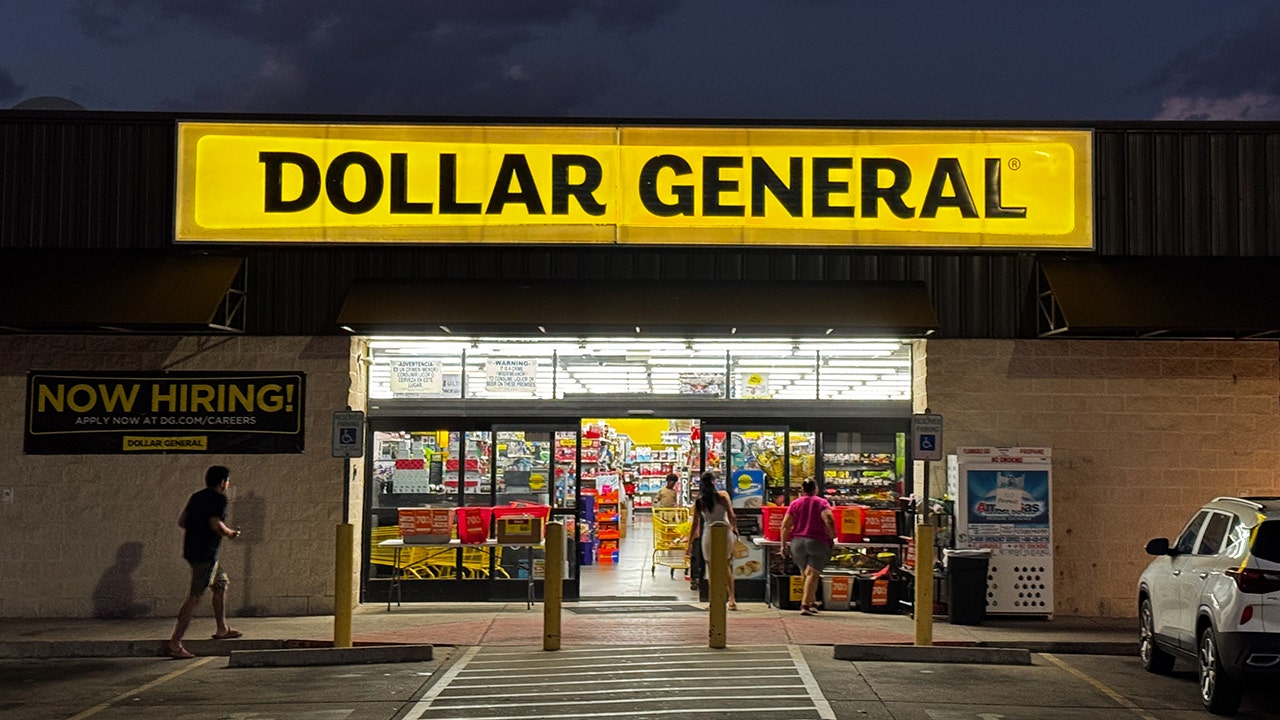
Evidence cited in the complaint indicates that understaffing at individual stores impeded weekly price-label updates, which contributed directly to the pricing discrepancies. Despite this alleged operational failure and seven prior state legal settlements regarding similar issues, regulators argue the company did not take adequate steps to prevent continued overcharging. The FTC contends that Dollar General had ample time and awareness to address these systemic failures but allowed them to continue unchecked. (FTC and 20 States Sue Dollar General for Systemic Overcharging at Checkout)
Tens of Thousands of Consumer Complaints Ignored
The complaint highlights that regulators received at least 29,265 consumer complaints between January 1, 2023, and March 31, 2026. These reports specifically concerned customers being charged more than the listed prices across all 48 states where Dollar General operates. The volume of complaints suggests widespread harm to shoppers who noticed unexpected price jumps when paying at the register.
Dollar General continued to overcharge customers even after receiving these tens of thousands of consumer complaints regarding the issue. Christopher Mufarrige, director of the FTC’s Bureau of Consumer Protection, stated that the company betrayed the trust of millions by imposing significant financial harm on struggling communities. The agency argues that the retailer exploited vulnerable shoppers who rely heavily on advertised low prices to make ends meet.
The Role of Understaffing in Failed Price Updates
Regulators allege that insufficient staffing levels at stores impeded the necessary weekly updates required to keep shelf labels accurate. This alleged staffing problem persisted despite previous enforcement actions and corporate knowledge of the recurring pricing errors. The FTC claims that these operational deficiencies prevented the company from maintaining the accuracy between shelf and register prices.
The complaint further notes that checkout displays made it difficult for customers to identify pricing errors in real time. Prices often flashed quickly on screens, making them hard to track during the transaction. In some locations, the screen shown to consumers did not clearly display the price charged for each item, compounding the confusion caused by the discrepancies.
Regulatory investigations revealed that between January and April 2026, undercover purchasers conducted tests in Ohio, Pennsylvania, Missouri, Maryland, Alabama, Arizona, Arkansas, California, Connecticut, Florida, Illinois, Iowa, Kansas, Louisiana, Michigan, Mississippi, Nebraska, New Jersey, North Carolina, Oklahoma, Tennessee, Utah, and Wisconsin to verify pricing accuracy. These controlled transactions confirmed systematic errors; for instance, a purchase in Cleveland, Ohio, resulted in 13 out of 58 items ringing up at incorrect prices, creating a net overcharge of $3.25. Similarly, a transaction in Springfield, Missouri, showed discrepancies on 6 of 59 items, leading to an additional $4.07 charge beyond the advertised shelf price.
The complaint details that Dollar General had previously paid more than $6 million in penalties to settle seven related state cases prior to this federal action. Despite these financial consequences and thousands of failed inspections, regulators assert the company failed to implement adequate safeguards against continued overcharging despite having extensive corporate knowledge of the ongoing issue. The FTC argues that the retailer’s operational model allowed these discrepancies to persist unchecked across more than 21,000 stores nationwide.
In response to the allegations, Dollar General stated in a formal declaration that they were made aware of the investigation in early February 2026 and engaged cooperatively with regulators. The company disputed the severity of the claims, asserting that their goal is 100% accuracy between shelf and register prices and that occasional discrepancies occur despite established policies. They indicated they would defend the litigation vigorously against what they described as a settlement demand untethered from realistic assessments of pricing errors.
The legal action was filed in the U.S. District Court for the Middle District of Tennessee, located within Dollar General’s home state. Following the announcement of the joint lawsuit by the FTC and 20 states, investor reaction was immediate, with Dollar General shares falling approximately 4%. The participating states include Alabama, Arizona, Arkansas, California, Connecticut, Florida, Illinois, Iowa, Kansas, Louisiana, Michigan, Mississippi, Nebraska, New Jersey, North Carolina, Ohio, Oklahoma, Tennessee, Utah, and Wisconsin.
Undercover Investigations Reveal Consistent Overcharges in Multiple States
Between January and April 2026, regulators conducted undercover purchases at Dollar General stores in Ohio, Pennsylvania, Missouri, and Maryland to verify pricing accuracy. The complaint states that investigators were charged more than advertised for multiple products during every single purchase made across these locations. This pattern of discrepancies occurred despite the retailer’s assertion that its policies are designed to ensure price consistency between shelves and registers.

Specific transactions documented in the filing highlight the frequency of errors found during these tests. In a purchase at a Cleveland, Ohio store, 13 out of 58 items rang up at prices different from those listed, resulting in a net overcharge of $3.25 for that transaction. A separate test conducted at a Springfield, Missouri location found pricing discrepancies on 6 of 59 items, leading to a net overcharge of $4.07.
Cleveland Transaction: 13 of 58 Items Overcharged
The Cleveland incident involved a shopper purchasing 58 distinct items where the register price exceeded the shelf label for more than one-fifth of the goods. The complaint details that these errors were not isolated to a single product category but affected multiple items within a single transaction, contributing to an immediate financial loss for the consumer.
Checkout Displays Designed to Obscure Pricing Errors
The lawsuit alleges that Dollar General’s checkout displays made it difficult for customers to identify pricing errors in real time. According to the complaint, prices flash quickly on the screen and are difficult to track while a customer is completing their purchase. In some stores, the display shown to consumers does not clearly indicate the price charged for each individual item.
The FTC filing notes that these design features contributed to a situation where shoppers could not easily verify charges before paying. Regulators argue that the combination of rapid flashing text and unclear itemized displays prevented customers from noticing discrepancies during the transaction process.
The scope of these pricing inaccuracies extends far beyond isolated incidents in specific states, encompassing a nationwide pattern documented through over 29,000 consumer complaints filed between January 1, 2023, and March 31, 2026. These grievances were reported across all states where Dollar General operates, indicating that the discrepancies observed during the undercover tests in Ohio, Pennsylvania, Missouri, and Maryland are representative of a systemic operational failure rather than regional anomalies.
Despite the retailer’s assertion that its policies ensure price consistency, regulators highlight that thousands of failed inspections and multiple prior enforcement actions have not rectified the issue. The FTC filing notes that Dollar General has paid more than $6 million in penalties to settle seven related cases since January 2019, yet the pattern of inaccurate pricing persisted through March 2026. This history suggests that previous corrective measures were insufficient to prevent continued overcharging.
The legal action seeks to address these widespread violations by requesting court orders to prohibit future infractions and award monetary relief. The plaintiffs are pursuing civil fines, restitution for affected customers, and penalties for each violation under state laws, aiming to hold the retailer accountable for the millions of dollars allegedly overcharged from consumers over several years.
Dollar General Disputes Allegations and Criticizes Settlement Demands as Unrealistic
Dollar General issued a statement contesting the Federal Trade Commission’s characterization of its pricing practices, asserting that the retailer maintains a goal of 100% accuracy between shelf and register prices in every store. The company acknowledged that occasional price discrepancies can occur despite established policies and procedures, noting that such issues are not unique to their operations but happen across other retail sectors as well. In response to these instances, Dollar General stated that its store teams are instructed, empowered, and expected to correct errors for customers when they arise. (Dollar General sued by FTC and 20 states, accused of overcharging customers)
The retailer clarified that it became aware of the FTC’s investigation in early February 2026 and subsequently engaged cooperatively with regulators before litigation commenced. During this period, company representatives made themselves available to provide sworn testimony on relatively short notice as part of the agency’s fact-finding process. Dollar General described its efforts to resolve the matter without court intervention as working tirelessly and in good faith over a four-week timeframe following the conclusion of that testimony.
A central point of contention involves the financial relief sought by regulators, which the company characterized as a monetary demand untethered from any realistic assessment of amounts attributable to pricing discrepancies. Dollar General argued that the requested sum was orders of magnitude larger than what could be justified by an evaluation of actual price errors. In response to this disparity, the company submitted a counteroffer for a settlement based on what it viewed as a more reasonable method for calculating potential ranges.
Despite expressing respect for the roles of the FTC and state representatives in protecting consumers, Dollar General affirmed its intention to defend the litigation vigorously. The retailer maintained that the allegations contradict their stated mission regarding price accuracy. As the case moves forward in U.S. District Court for the Middle District of Tennessee, the company continues to dispute the scope and validity of the claims regarding systematic overcharging.
The scope of the alleged misconduct extends across a vast retail footprint, with the FTC complaint specifying that Dollar General operates approximately 21,000 stores nationwide. The agency’s filing asserts that this extensive network facilitated a pattern where thousands of locations engaged in mislabeling prices for years, resulting in millions of dollars in unlawful overcharges extracted from vulnerable shoppers. Christopher Mufarrige, director of the FTC’s Bureau of Consumer Protection, emphasized that the retailer betrayed the trust of millions of American consumers, imposing significant financial harm on communities struggling to make paychecks last. (FTC and 20 states sue Dollar General, alleging retailer overcharged shoppers)
Consumer advocates and the FTC highlight that the alleged deceptive conduct involves routinely charging customers more at the register than the prices displayed on shelves, price tags, or advertisements. This discrepancy has persisted for years and affects millions of purchases across the country, with thousands of consumer complaints filed alleging a failure to honor advertised prices. The suit seeks not only monetary relief but also a permanent injunction against such practices, arguing that the company knowingly harmed customers despite receiving numerous reports indicating widespread issues.
In its defense, Dollar General noted that it has enhanced its price-accuracy processes in recent years and remains committed to continuous improvement. The retailer maintains that while occasional discrepancies occur as they do across other retail sectors, their store teams are instructed, empowered, and expected to correct errors for customers when they arise. Despite these assertions, the FTC contends that the company’s actions constitute a betrayal of trust, particularly given that American consumers depend on Dollar General’s advertised low prices to manage household finances on tight budgets.
Prior Penalties and the Context of Repeated Regulatory Actions Against Dollar General
The Federal Trade Commission’s complaint highlights a history of regulatory enforcement against Dollar General regarding pricing accuracy, noting that the retailer paid more than $6 million in penalties to settle seven related cases prior to this lawsuit. These settlements occurred during earlier incidents where the company faced scrutiny for similar alleged overcharging practices at checkout counters across multiple locations.
Despite these previous financial resolutions and enforcement actions, regulators allege that Dollar General failed to implement adequate safeguards to prevent continued overcharging. The FTC filing states that thousands of failed inspections and tens of thousands of consumer complaints did not result in sufficient corrective measures before the current allegations were filed.
The pattern of behavior informs the current regulatory stance, as the complaint emphasizes that the company has struggled to maintain compliance even after multiple legal interventions. The new lawsuit seeks to prohibit future violations and award monetary relief, including civil fines and restitution, building upon an established record where Dollar General paid more than $6 million in penalties to settle seven related cases prior to this lawsuit.
The FTC complaint details specific instances of undercover investigations conducted between January and April 2026 across stores in Ohio, Pennsylvania, Missouri, and Maryland to verify the persistence of these pricing errors. In Cleveland, Ohio, investigators purchasing 58 items found that 13 products rang up at prices different from those listed on the shelves, resulting in a net overcharge of $3.25 for that transaction. Similarly, a separate investigation in Springfield, Missouri, involving 59 items revealed pricing discrepancies on 6 of them, leading to a net overcharge of $4.07, demonstrating that the alleged inaccuracies were not isolated incidents but occurred during routine shopping trips across multiple states.
The regulatory filing further highlights systemic issues with how prices are presented at the point of sale, alleging that Dollar General’s checkout displays frequently made it difficult for consumers to identify pricing errors in real time. The complaint notes that when customers check out, prices often flash quickly on the screen and are difficult to track, while in some locations, the display does not clearly show the price charged for each individual item. This lack of transparency contributed to the accumulation of at least 29,265 consumer complaints received between January 1, 2023, and March 31, 2026, regarding customers being charged more than the listed price across all 48 states where Dollar General operates.
The current lawsuit, filed alongside attorneys general from Alabama, Arizona, Arkansas, California, Connecticut, Florida, Illinois, Iowa, Kansas, Louisiana, Michigan, Mississippi, Nebraska, New Jersey, North Carolina, Ohio, Oklahoma, Tennessee, Utah, and Wisconsin, seeks to prohibit future violations of federal and state consumer protection laws. The plaintiffs are requesting monetary relief that includes civil fines, restitution for affected customers, and penalties for each violation under applicable state statutes, aiming to address the pattern of inaccurate pricing that regulators allege persisted from January 2019 through March 2026 despite previous enforcement actions.